
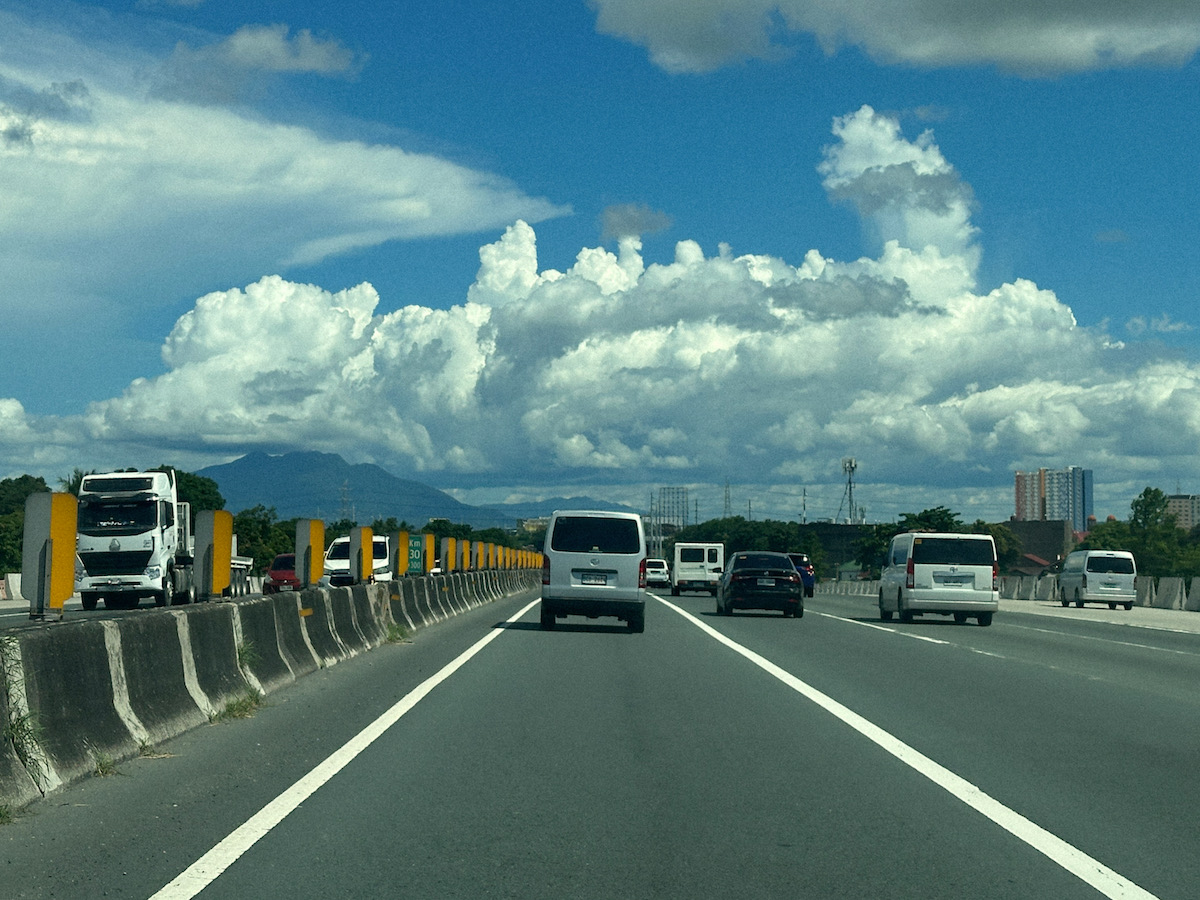
If you told 2019-me that I’d trade my BGC shoebox life for the quiet parts of Laguna, I would’ve laughed. Or at least raised one eyebrow which, to be fair, is my default setting. I loved the city. The convenience, the buzz, the anonymity, the “I live alone and I can eat tocino at 11pm without judgment” freedom.
But somewhere along the way, the city started to feel like… a box. Not a bad box ha, more like you’re living inside premium packaging that suddenly feels too tight around the shoulders. I couldn’t explain it at first. All I knew was: I felt a little too plugged in. A little too on. And a little too disconnected from things that actually mattered to me.
So last year, I did the thing most people threaten but never actually do:
I packed up my life and moved outside of Metro Manila.
And now, one year later, here I am, same person, same brain running multiple browsers in the background, but calmer. More grounded. Less… energetically stressed.
This is the story of what changed, and more importantly, how I made those changes work without losing my identity.
The moment I realized I needed to slow down
Five years in Manila alone made me independent in the best and worst ways. I wasn’t lonely, exactly. I actually love being alone. Like, give me a quiet café corner and I’m good for hours.
But even when you’re ambiverted, there are days where you feel a pang of something. Not quite sadness, and not boredom either. Just… a cross between pagod [fatigue], overstimulation, and a low-key identity crisis.

WFH didn’t help. Living where I worked, eating where I worked, thinking where I worked: it was all blurring.
Then one day, in the middle of yet another grocery run where I paid P220 for grapes (why?), I caught myself thinking:
“If my work is semi-remote, why am I forcing myself to stay here?”
And that was it. No dramatic breakdown, no Eat-Pray-Love moment.
Just a quiet realization that I could choose differently. So I did.
The move that shifted everything
I relocated to Laguna. Not deep in the mountains but just close enough to breathe differently, and close to relatives so I didn’t feel like Robinson Crusoe.
The pacing was different. It’s quieter, and with less pressure to ‘keep up’. And honestly, my mental state was different for the first time in ages.
READ: How I Achieved Independent Living in Filipino Style
The biggest shift? I got to see my aging elders more. I was around during a family emergency.
If I were stuck in Manila following that, I don’t think I would’ve emotionally recovered the same way.
The proximity wasn’t about convenience; it’s about healing.
What slow living really looked like
Let me clarify something: I did NOT move to the province and suddenly become a barefoot plant mom who makes sourdough at sunrise.
My life didn’t become Pinterest-y or more aesthetic. It just became less noisy.
Slow living for me meant:
- fewer stimuli
- fewer pressure points
- more intentional choices
- more space, literally and mentally
But here’s the part Instagram doesn’t show: Slow living journey requires discipline.
Yes, discipline, not just vibes.
You have to actively choose to slow down, to consciously say no, and to fight the urge to recreate the same busy life you just took a step back from.
And in a year’s time, here are some of the lessons I’ve learned:
Lesson #1: Unplugging saved my sanity

A year ago, I wouldn’t survive one hour without checking my phone. Not because I loved scrolling but because I felt like I had to: work, messages, updates, deliveries, news. Everything wanted my attention.
In Laguna, the stillness made it impossible to ignore how addicted I was.
So I tried something small: I unplugged for certain hours of the day. (Yes, willingly. Kahit ako nagulat.) I took a digital detox that looked like this:
- Setting phone-free zones. I chose the dining table and bathroom (don’t lie, we all do it). When I’m there, I don’t bring my phone unless it’s something urgent.
- Removing and muting notifications. If it doesn’t involve money, safety, or a real friend, I don’t need a ping.
- Hiding view history and recommendations in social media. It’s amazing how much I can accomplish when I’m not bombarded with YouTube or Instagram’s algorithm.
What changed was my brain stopped screaming and I felt less reactive. I could finally sit still without feeling like something was chasing me.
With slow living, I wasn’t doing less, but I was more intentional with what occupies my time and attention.
Lesson #2: I’ve gotten to know myself more
The thing about quiet places? You start hearing your own thoughts, including the ones you’ve been dodging.
At first it’s disorienting. Then it’s clarifying.
While I’ve only picked up gratitude journaling for a couple years, I did have more time for introspection. I gave myself enough stillness to recognize patterns that stresses, drains or energizes me.
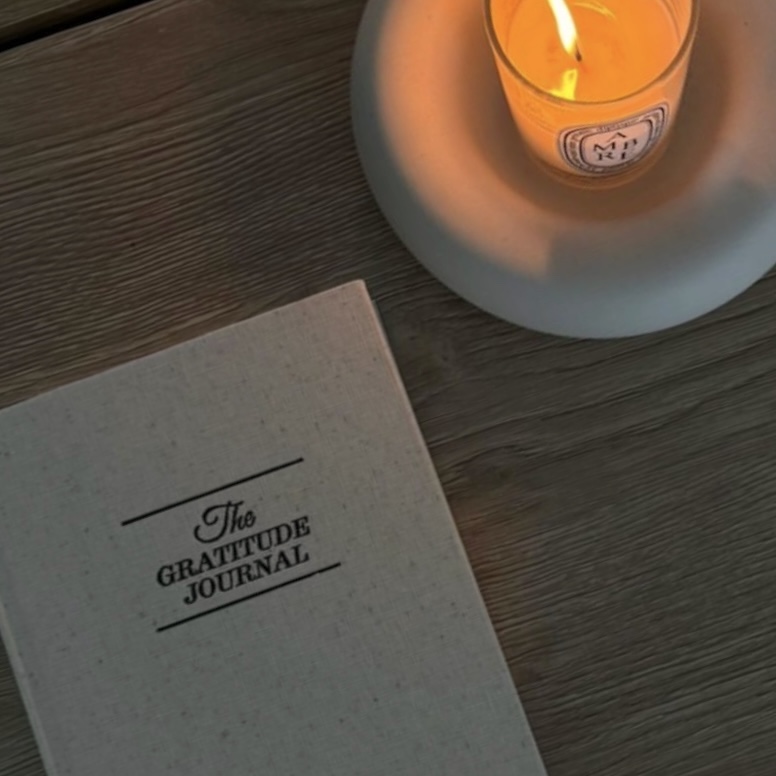
I’ve checked in with myself more, to find out what I actually want, not what looks good on paper. And I discovered I get to choose who I like talking to, confront what I was forcing, and pay attention to what I was ignoring.
Whenever introspecting, I asked myself better questions. Instead of “What’s wrong with me today?”
I started asking, “What am I avoiding today?”
Some of my habits revealed my truth and I get to rebuild my life from something deeper than autopilot.
Lesson #3: I occupied my time without becoming bored out of my mind
People think moving to a quieter place = boring life. Which is not true. The silence actually gave me more curiosity.
I filled my days with things I forgot I enjoyed:
- morning drives with coffee
- reorganizing corners of my room
- cooking for enjoyment, not as a need
- reading again (!!!)
- spontaneous meals with family
- visiting parks and unfamiliar cafés

But the magic was this: I didn’t force myself to be productive. I just followed what felt good.
Slow living doesn’t make a person lazier or duller. It just means you get to make unhurried choices that don’t come from panic or anxiety.
Lesson #4: I’ve shifted to more conscious spending
This is the part not many tell you:
The journey to slow living will expose your spending habits.
In Manila, it’s so easy to drop ₱500 on a random iced coffee + muffin “kasi reward ko ‘to“, buy decor because your space feels empty (clue: it’s not empty, you’re tired), or order food thrice a week because traffic drained the will to cook.
In Laguna, the temptations weren’t the same. And so my money naturally redirected to things that gave real value: travel, quality food, better skincare, and experiences over “stuff”.

The beauty of knowing yourself more is, even though circumstances have changed, my values stay the same. I changed my spending without being a cheapskate.
I still like nice things, okay? I kept my good taste and simply removed the noise, giving myself permission to indulge. Though less often, it becomes more meaningful.
READ: How to Practice Conscious Spending Every Day
When you’re more international (vs. impulsive) with spending money, you ask yourself things like: Does this feel like me, or am I just bored?
If you still want it after a week, then maybe it’s real.
Lesson #5: Choosing simplicity without losing myself
Some people think “simplifying your life” means living cheaply. I disagree.
Simplicity equals clarity, not deprivation. I learned to choose quality over quantity.
In embracing simplicity while staying true to my identity, here’s what I’ve adapted:
- Creating a slower morning routine. Skincare, coffee, sunlight, without the rush.
- Reducing the “extras” that stressed me. There’s no need to burn myself out with too many plans, or self-impose decision fatigue by choosing among too many clothes. I didn’t feel the need to say yes to too many obligations when I know it could only lead to resentment.
- Making space for the things that made me feel like me. A polished outfit, a good sunscreen, or a pristine everyday china is my life’s little luxuries.

Lesson #6: The emotional reset I didn’t expect but needed
Living near family grounded me in ways Manila have not.
I realized I’m still the same person, ambiverted but not isolated. Yes, I still feel alone at times but now it’s peaceful alone, not empty alone.
I’m less scared of the future and less attached to material identity. And I’m more grateful for small, quiet moments while also staying attuned to myself.
I’ll probably move again one day. Maybe Makati, maybe somewhere else. I’m not sure.
But this year of slowing down, has reset something in me: my mental health, my spiritual center, and my relationship with myself.
And it’s that kind of peace we don’t lose easily.
Tips to start your own slow living journey
If you’ve been wanting embrace slow living, you don’t need to uproot your life to experience what I did. You can start small.
Here’s how:
- Create micro-boundaries with your phone. Start with one hour a day to unclench your brain.
- Curate your environment for calm. Declutter one drawer. Light one candle. Add one plant. Small changes can have big effect.
- Audit your spending. List your last 20 purchases. Did they feed your soul or your boredom?
- Redesign your daily routine. Remove one stressful element. Add one grounding one.
- Practice mindful alone time. Eat one meal without scrolling. Walk without AirPods. Ask yourself questions.
- Reconnect with people who matter. Call, have dinner or visit friends and family. Sometimes grounding begins with community.
- Give yourself permission to slow down. You don’t need burnout as justification.
What this slow year taught me
Slow living is about finally hearing yourself, again.
This past year taught me that my worth isn’t tied to my output. That peace can be a choice.
My lifestyle doesn’t have to match my environment. I can live anywhere and still be the same person.
I did learn that time with family is priceless. And daily gratitude can be grounding.
Slowing down doesn’t make you less ambitious, it makes you more aligned. Less is more is the paradox of the world we live in, where simplicity can feel like a quiet kind of luxury.
I may move again someday. And I may speed up again someday.
Life isn’t linear, and that’s fine.
But now, wherever I go, I know what calm feels like, and I know how to return to it.
(This article is expanded from the author’s original TL;DR post on Reddit and published here via submission.)


