
The other day, I was drinking coffee in the terrace, scrolling mindlessly on my phone like I always do when I need a bit of a mental reset. That’s when I came across an article that made me stop mid-sip.
The headlines goes, “Gen Z Filipinos: the loneliest youth in Southeast Asia…”
I wasn’t able to process it immediately. Filipinos? Lonely? We’re raised on barkadas [group of friends], family reunions, karaoke nights, merienda bonding. How could we, of all people, be lonely?
But when I sat with it a little longer, I realized maybe we’ve been looking at connection all wrong.
Yes, we’re surrounded. Yes, we talk a lot. Yes, we live under one roof with lola, ate, kuya, tito, tita, and two dogs.
But somehow, deep inside, something’s still missing. And for many young people today, that something has become a big, quiet, aching emptiness.
What changed?
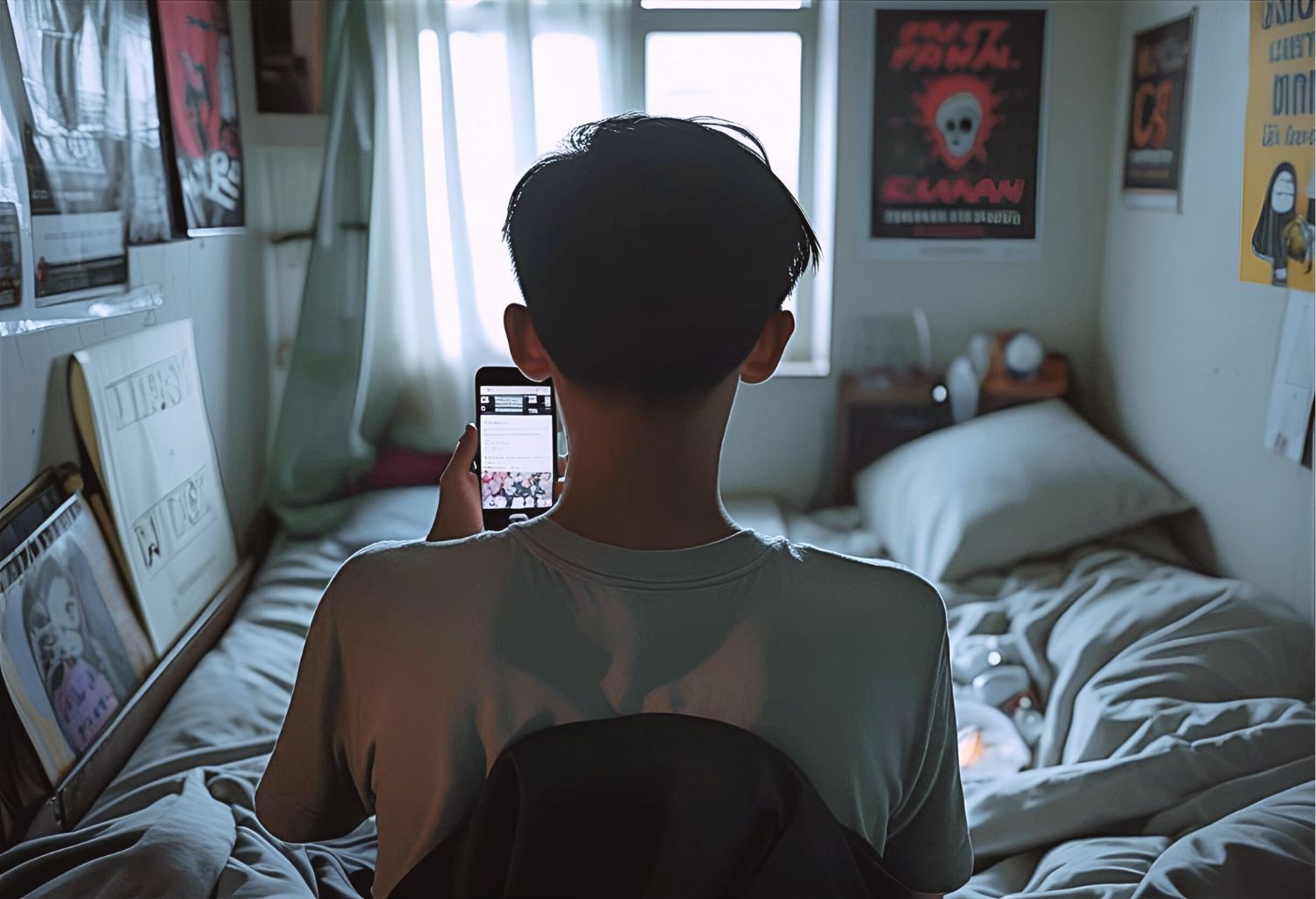
Before, loneliness was something we associated with old age or with someone who’s gone abroad and left everything behind. Now, it’s the teenager beside us at dinner, the college student glued to their phone, or the fresh grad in their first job who seems okay, but isn’t.
The truth is, we’ve changed a lot over the last few years. And Gen Zs? They were shaped by a time when the world stood still.
The pandemic years, for them, weren’t just about online classes and missed vacations. It was their coming-of-age moment. For many, it was a time when friendships didn’t get the chance to grow, and emotional muscles weren’t flexed.
No tambays. No org activities. No late-night talks in the canteen. No heartbreaks processed over milk tea. And in that isolation, a lot of young people learned to self-soothe through screens, or worse, to keep it all in.
They’re smart and plugged in, but many never had the chance to learn small, powerful things. Like how to ask for help without guilt, or how to sit with uncomfortable feelings without numbing it through endless scrolls.
Now add AI, algorithms, and always-online pressure
Just when we thought things were easing up, AI entered the scene. Chatbots now “listen” to your problems. Your FYP knows your mood better than your sibling does. And that’s not entirely bad. But the more life moves online, the easier it becomes to be seen, but not truly felt.
Social media gives you a million voices, but sometimes none that really hear you.
READ: Digital Detox: How I Logged Off and (Kind Of) Got My Life Back
You’re praised for aesthetic wins, milestone posts, and curated smiles, but rarely for admitting you’re tired, confused, or scared. And if you’re 19 and unsure of who you are, imagine waking up every day to a flood of content that tells you who you should be. It’s disorienting.
Nakakalito. Nakakaubos.
So yes, even in a world full of DMs, reels, and comment sections, loneliness has quietly crept into the corners of many young hearts.
What can we do?
I don’t have all the answers. But I know how it feels to be seen and how healing even a small gesture can be.
So here are a few things I’ve tried doing – not as an expert, but as a tito, a kuya, a barkada, a human.
1) Listen like it’s the first time.
It’s natural to want to help. But sometimes the most helpful thing is sitting beside someone and saying, “I’m here if you want to talk.”
No matter how confusing or all over the place, we can simply just stay with them. People who struggle with loneliness open up when they feel safe, not when they feel judged or pressured to feel better right away.
We don’t rush to fix it. We don’t say, “Ganyan din ako dati [I used be like that].”
Instead of jumping in with, “You should do this” or “I read somewhere that…,” try:
“I hear you. Want to tell me more about it?”
They might not take us up on it the first time. That’s okay. The point is they know the door is open.
2) Speak with gentleness.
We grew up in a culture na maraming banat, biruan, at tukso [a lot of teasing and banter]. That’s how we show affection, right?
But for this generation, sometimes those jokes don’t land the way we think they do. The teasing about weight, love life, grades, or what someone’s doing with their life, it sticks. The world they’re growing up in moves differently and if we’re not careful, our words can hurt deeper than we might realize.
READ: Is This It? The Silent Panic of Finding Your Way
If we can pause before we comment, and choose kindness instead, we create a little corner of peace in a world that already criticizes them enough.
3) Stop using comparison as motivation.
“Nong panahon ko…”
“Si ganito nga, nakaya niya.”
These lines are familiar. And they might come from a good place, but often they only make someone feel like they’re falling short. We all bloom in different seasons. What they need isn’t more pressure; they need perspective.
Instead of comparing, ask:
“What are your goals?” or “How can I help you on this path?”
Sometimes we wait for people to “earn” praise, affection, or support. But young people are already measuring themselves against impossible standards.
So let’s be intentional with our words and action, because they matter.
4) Offer real-life presence.
There’s something deeply healing about being around someone who doesn’t expect anything. Where one can just sit in silence, scroll beside each other, or watch something silly without needing to talk the whole time.
Sometimes, showing we care is just about being present with them and inviting them to do things like:
- go for a walk
- have plantito/a session in the backyard
- cook something together
- run errands
We don’t always have to ask deep questions or have heart-to-hearts. Sometimes the soul just needs company, not commentary.
READ: Everyday Practices to Feel More Alive Again
At times, we can remind them (gently) that the truest things in life don’t live in the comment section.
Real life is messy and unscripted but in that mess, something settles: their body and their space having a place in the world.
5) Be the model, not the mouthpiece.
We can’t teach what we don’t live. So let our lives lead them another way.
If we want the young people around us to overcome loneliness and develop better habits, we can show them what that looks like. If we want them to reach out when they’re struggling, let’s be honest about our own struggles too.
Let them see that it’s okay to rest. It’s okay to cry. It’s okay to ask for help.
We don’t need to “mentor” or “inspire.” Just live our lives in ways that show it’s okay to be soft, uncertain, and in process.
When they see that even the people they look up to are still figuring things out, it makes their own struggle feel a little less heavy.
And most of all, it tells them they’re not alone.
The bigger picture
We’re all still figuring things out. But if there’s one thing I’ve learned, it’s that most people don’t really want a solution; they want to feel less alone in the waiting.
Let’s not rush the youth to “fix” themselves. Let’s walk with them. Let’s notice when they start to dim.
Let’s check in, even when they say they’re okay. Let’s make it easier to say the hard things.
Be the kind of presence that feels like home.
Sometimes, what we think of as small talk becomes the one lifeline someone holds onto that day.
Because even the strongest Gen Zs you know – the witty ones, the achievers, the always-online ones – carry questions they haven’t found the words for yet. And most of the time, they’re just hoping someone will notice without being asked.
At the end of it all, the cure for loneliness isn’t always found in a single answer. But it can shrink in the presence of care.


