It starts at the airport. Or the terminal. Or the last pitstop before you head home.
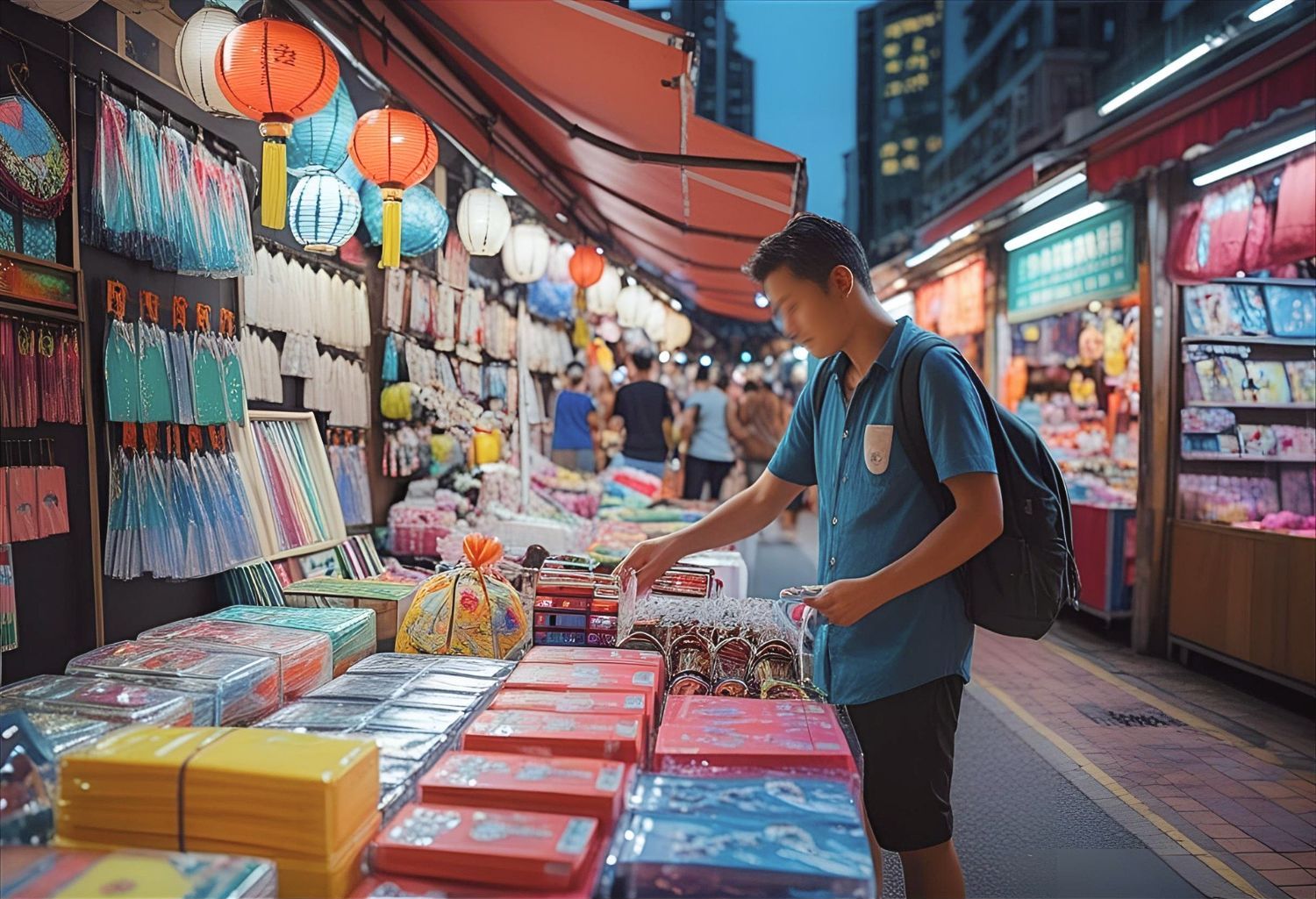
You see something. Maybe it’s mango tarts in a pastel-colored box, or a t-shirt that says Boracay in bright, beachy letters. You don’t even need to think twice. “Para kay Ate,” you say. For your sister. For your cousin. For the friend who fed your cats while you were away. That one officemate who always shares her baon. It’s automatic.
That’s pasalubong. A gift, yes, but more than that, it’s a gesture. A habit that’s really a love language. An old ritual dressed in plastic bags and luggage stickers. Something soft handed over during arrivals, often before the stories even begin.
Sometimes, we don’t even remember when we started doing it. It just becomes second nature. Like saying “Have you eaten already?” or buying an extra piece of turon in case someone walks in. It’s how we care, without having to explain.
Why Filipinos love pasalubong
Pasalubong comes from salubong, meaning “to meet” or “to welcome.” Add pa- and it becomes the item you bring when greeting someone again; your small piece of the road, handed over with care.
🧡 Emotional payoff
More than the material aspect, it’s really about the connection. There’s a scene we all know: you walk through the door and shout, “May pasalubong ako! [I got souvenirs]” The kids rush over. Your sibling peeks into the bag. Someone says, “Ano yan [What’s that]?” before they even say “Welcome home.” It’s one of our most familiar languages.
Parting it out and passing the plate becomes collective joy. The receiver’s face lights up, and the mood subtly shifts because you remembered them. Pasalubong makes us feel noticed; it shrinks the distance of a journey.
🧳 It carries the story home
A well-traveled bag of squid, a slightly melted pack of chocolate from Changi, or snacks sealed with hotel stickers can all become storytellers. A whiff of the food brings a place back to life. A gift passed from hand to hand is sometimes the softest way to start talking.
“San ka galing [Where have you been]?” And just like that, the pasalubong becomes the start of a story.
🤝 It smooths over time and distance
Whether you’ve been away for a weekend or two years, pasalubong helps bridge the silence.It fills that awkward “So, how was it?” gap with something tangible. It gives your homecoming a soft landing. And in cases where the parting was tough, or words were left unsaid, it can be the gentle olive branch that says: Let’s sit down, let’s eat, let’s talk.
🎁 It’s joy in small packaging
The ramen sachet from Tokyo. The woven pouch from Baguio. The lavender soap from Bangkok. Pasalubong aren’t always meant to be extravagant. It just has to be sincere.
We cram so much into our days that receiving something, no matter how small, makes us feel seen. Pasalubong is micro-joy. The kind you don’t expect but always welcome.
READ: Living with Small Joys, the Filipino Way
And when the roles reverse, and you’re the one receiving it, you’re reminded: this person thought of me. Even when I wasn’t there.
Best Practices When Buying Pasalubong
The spirit of pasalubong is less about the price tag and more about presence. Still, if you’re the one buying, a little thought goes a long way. Here’s how to turn your pasalubong from generic to straight from the heart.
1. Listen while you’re away.
Keep a mental list of comments people make in passing. “Wala na akong alamang [I’m out of shrimp paste]”, or “Craving ko yung dried pusit from Cebu. [I’m craving the dried squid from Cebu]” These small mentions become your quiet map when choosing what to bring home.
Sometimes you’ll spot something and immediately know who it’s for. That woven fan? Your tita who always complains about the heat. That chili oil? Your kuya who puts spice in everything. Shopping with intention makes all the difference.
2. Add something of yourself
Even if it’s a common item, put your mark on it. A handwritten note, a sticker from where you bought it, a random candy you added last-minute because it reminded you of high school. That small touch? It stays.
READ: Live With Intent: 6 Reminders for a Fuller Life
They’re not pasalubong by language, but by intention: I brought you a piece of where I was.
3. Think beyond food
We love food (and rightfully so), but pasalubong can go further:
- a keychain shaped like a jeepney
- a notepad from a café you liked
- a lip balm from a local maker
- a bookmark with regional embroidery
- even a tiny rock or pressed flower from a trail you hiked
These small trinkets hold memory. You’ll be surprised how much they can mean.
4. Package it with care
Pasalubong can be a handful (literally). Put those dried fish in a sealed ziplock, nobody wants tuyo-scented luggage. Wrap dried goods tight. Label anything fragile. A bit of masking tape, a ziplock, or a cloth pouch can save a lot of mess and heartbreak. You’re protecting your gift and the people handling your bags.
5. Bring extras
Travel is chaotic. Some parcels will vanish, have broken straps, or spill.When someone’s bound to ask if you have “kahit ano lang [anything will do], it’s wise to bring one or two more than you need. A few duplicates ease the tension because nobody wants to tell a loved one, “Sorry, the last piece broke.” When in doubt, an extra pack of snacks always saves the day.
6. Check for freshness
Always check! Nothing kills the vibe like soggy pastillas or expired ube jam. Ask if it’s freshly made (or at least less than two weeks old) and if it can last the trip so your pasalubong arrives as intended.
READ: Enjoy Eating: Mindful Ways to Eat and Savor Every Bite
Takeaway
Pasalubong is one of those Filipino things that can be hard to explain but easy to feel.
It’s a moment that softens arrivals and sweetens homecomings, a cultural way of saying: “Hindi kita nakalimutan. [I didn’t forget about you]” The beauty of pasalubong is it’s not about price or packaging but rather about presence, thought, and connection.
So whether it’s a long-haul flight or a quick trip to Tagaytay, give yourself time to look around and ask:
“What reminds me of this place? And who would love this, too?”
Then tuck that thing into your bag. That small item becomes more than just a gift.
It becomes a way home.